Elevate Your Living Space: An Expert Guide to Selecting the Ideal Hardwood Floors
Picking the right hardwood flooring can greatly affect a home's visual appeal and functionality. With many options available, knowing the top types and styles is important. Considerations like coatings, patterns, and budget considerations also hold significant weight in the choice-making journey. Upkeep practices can further influence the durability of the flooring choice. As residents weigh these factors, they may find themselves contemplating which selections will truly enhance their residential environments.
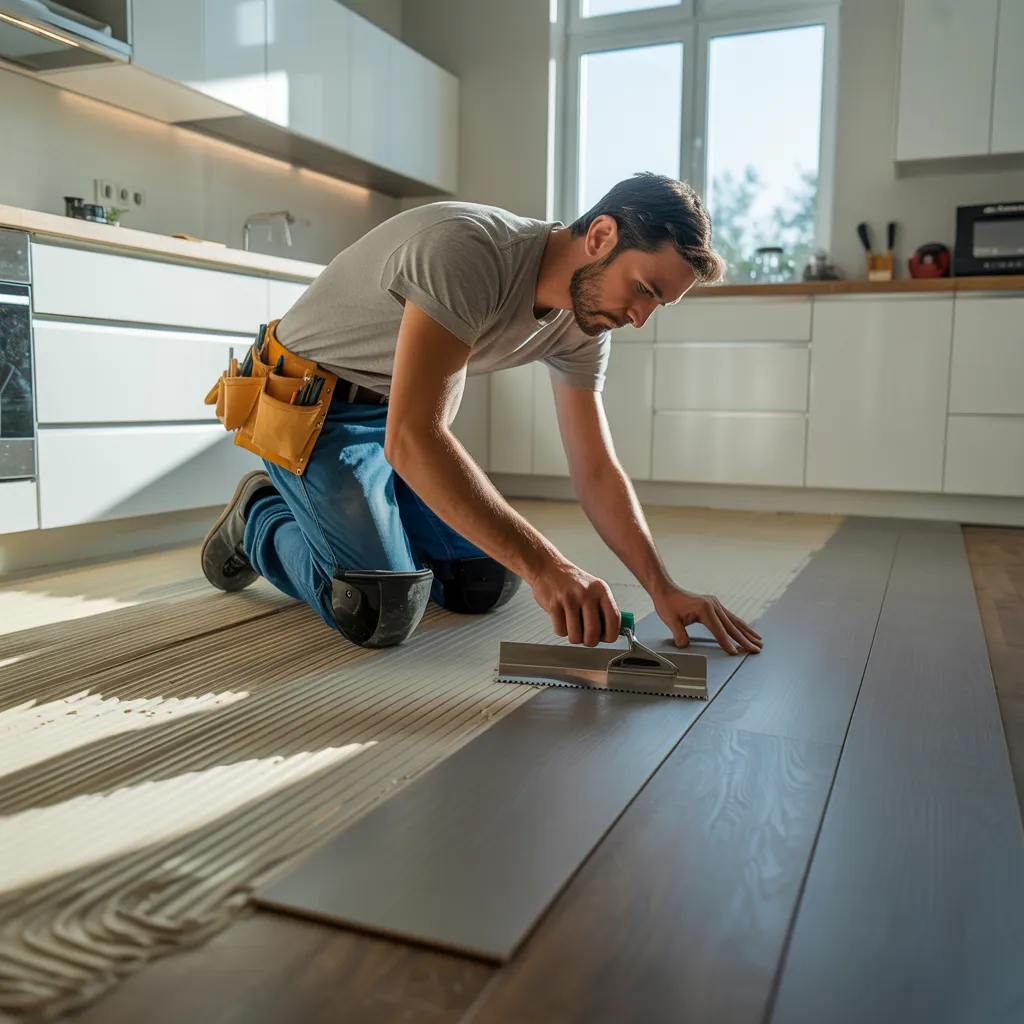
What Are the Best Hardwood Types for Your Home?
When choosing hardwood flooring, which options are most suitable for a home? The selection typically relies on considerations such as strength, decorative value, and care requirements. Oak remains a top choice owing to its robustness and flexibility, providing a classic look that fits various styles. Maple, celebrated for its firmness, presents a pale color spectrum, making it a perfect fit for contemporary spaces. Walnut showcases a bold, dark color and is appreciated for its one-of-a-kind grain details, infusing warmth and character into any environment. Hickory distinguishes itself through its durability and varied color patterns, making it suitable for high-traffic areas. For homeowners looking for an eco-conscious alternative, bamboo, despite being a grass by nature, closely resembles hardwood and offers green benefits. Each option boasts its own set of special attributes, allowing homeowners to identify the right fit for their living habits and aesthetic tastes. Understanding these differences is essential in making an informed decision.
Picking Your Hardwood Style
How can homeowners determine the right hardwood style for their space? To arrive at a well-considered decision, they ought to begin by evaluating the general aesthetic of their living space. Traditional styles may benefit from classic oak or maple, whereas modern spaces could be elevated by sophisticated, darker wood varieties such as walnut or engineered hardwood. Beyond aesthetics, the size and arrangement of the room serve as critical considerations; broader planks have the ability to open up a room and impart a feeling of spaciousness, while narrower options may suit smaller areas better.
Homeowners ought to also examine existing furniture and decor. Harmonizing the flooring style with the room's furnishings can provide a cohesive look. Additionally, taking into account the purpose of the space is important. Zones that experience frequent foot traffic may demand sturdier selections, while low-traffic rooms are better suited for more intricate finishes. By evaluating these factors, homeowners can choose a hardwood style that complements their lifestyle and enhances their home's appeal.
Picking Finishes and Textures for Your Flooring
When choosing finishes and textures for hardwood flooring, understanding the various finish types is essential for attaining the ideal appearance and long-lasting quality. Moreover, examining different texture choices can improve the floor's overall character and bring out the best in the overall design of the area. As a whole, these selections play a critical role in the flooring's functionality and visual appeal.
Finish Types Explained
Picking the appropriate finish for hardwood flooring is important, as it not only elevates the wood's natural beauty but also impacts durability and maintenance. There are several finish types to choose from, each with distinct characteristics. Oil-based polyurethane provides a robust protective layer, lending a deep, amber tint but requiring longer drying times. Water-based polyurethane, on the other hand, sets rapidly and maintains the wood's original color, making it a popular choice for modern settings. Additionally, penetrating oil finishes nourish the wood while offering a more natural appearance, although they may demand more frequent reapplication. Finally, wax finishes deliver a singular, inviting aesthetic but require regular maintenance to maintain surface integrity. Identifying the appropriate finish is essential for achieving both aesthetic appeal and functional longevity.
Texture Choices Overview
Texture serves a vital role in the overall aesthetic and functionality of hardwood flooring. Various texture options can greatly influence the look and sensation of a space. Smooth finishes deliver a polished, modern aesthetic, making them well-suited for current design styles. On the other hand, hand-scraped textures deliver a countryside appeal, highlighting the natural beauty of the wood. Distressed finishes, often used to start now evoke a vintage appeal, can hide everyday wear and tear, making them suitable for busy spaces. Wire-brushed textures produce a delicate, aged appearance, introducing dimension without dominating the aesthetic. Ultimately, the choice of texture should align with personal style and the planned mood of the interior, ensuring a harmonious integration with existing decor.
How to Create a Hardwood Flooring Budget
How should homeowners plan their budget for hardwood flooring? To begin, homeowners should calculate the total square footage of the space requiring flooring, as this will influence material costs. Researching various hardwood types and their price ranges is essential; factors such as species, grade, and finish can considerably affect costs. Homeowners should also consider additional expenses, including underlayment, installation, and any necessary subfloor repairs.
Establishing a practical budget entails factoring in both materials and labor. Households can obtain quotes from several professionals to assess installation costs and guarantee they are getting a fair deal. Moreover, they should include potential future maintenance expenses, as premium hardwood may demand fewer maintenance efforts over time. To conclude, allowing a safety margin of about 10 to 15 percent for unexpected expenses can create a safety net, making certain property owners keep to their financial boundaries while reaching their ideal flooring appearance.
How to Maintain Your Hardwood Floors in Top Condition
After investing in quality hardwood flooring, maintaining its beauty becomes a priority for homeowners. Routine cleaning is necessary; using a soft-bristle broom or a microfiber mop helps remove dust and debris without scratching the surface. For a more intensive clean, a specially formulated hardwood floor solution should be applied carefully to minimize excess moisture.
Protective measures likewise play a vital part. Placing area rugs in high-traffic zones protects against wear and tear, while placing felt pads beneath furniture legs keeps scratches at bay. It is also important for homeowners to monitor humidity levels, as too much moisture or dryness may cause the wood to warp.
Furthermore, addressing spills right away is crucial; wiping them up promptly prevents staining. Lastly, regular refinishing helps revive the floor's shine, guaranteeing the hardwood stays an impressive element of the home long into the future. Through these approaches, property owners can maintain the appearance of their hardwood floors and prolong their durability.
Do-It-Yourself vs. Professional Installation: What You Need to Consider?
When deciding between DIY and professional installation for hardwood flooring, homeowners often wonder which option best suits their needs and budget. DIY installation can be a cost-effective choice, allowing homeowners to save on labor costs. However, it requires a certain skill level, tools, and time commitment. Errors made during the installation process can result in expensive fixes or early deterioration.
On the other hand, bringing in expert installers provides a top-notch finish, as expert technicians have the expertise to manage challenges that may arise. They are also able to offer installation warranties, giving peace of mind concerning the lasting quality of the installation.
At the end of the day, the determination rests on how confident the homeowner feels in their skills and how complex the project is. For those with limited experience or looking for a flawless result, professional installation may be the wiser choice, whereas experienced DIYers may enjoy the rewards and cost benefits of completing the project on their own.
Commonly Asked Questions
How Long Can You Expect Hardwood Flooring to Last?
Hardwood flooring typically lasts from 20 up to 100 years, influenced by the wood type, care routine, and how well it was installed. Consistent maintenance can significantly prolong its durability, making it a durable choice for many homes.
Is It Possible to Refinish Hardwood Floors More Than Once?
Indeed, hardwood floors can usually be refinished multiple times, subject to the gauge of the wood. Each refinishing removes a small layer, so keeping enough wood material is important to ensure longevity and durability.
What Is the Ideal Method for Caring for Pets on Hardwood?
To maintain animals on hardwood, regularly sweep or vacuum to remove dirt and hair, position mats in frequently traveled areas, and immediately address spills. Think about using pet-safe finishes to boost durability and minimize scratches.
Are There Eco-Friendly Hardwood Options Available?
There are eco-friendly hardwood options available. Sustainable sources like bamboo and reclaimed wood minimize environmental impact. Certifications like the FSC ensure responsible harvesting practices, supporting a greener option for environmentally aware consumers in search of stunning flooring solutions.
How Does Humidity Impact Hardwood Flooring?
Moisture levels have a significant effect on hardwood floors, causing it to expand in high humidity and contract in low humidity. These changes can result in gaps, warping, and various structural problems if not carefully managed and maintained.